Archbishop Bradly Billings
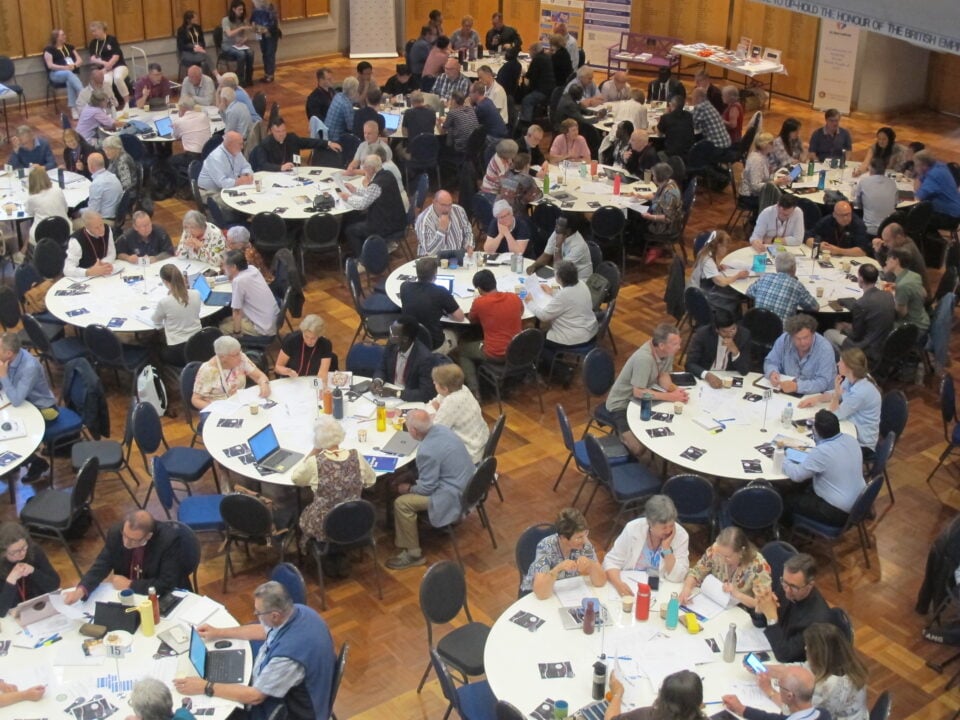
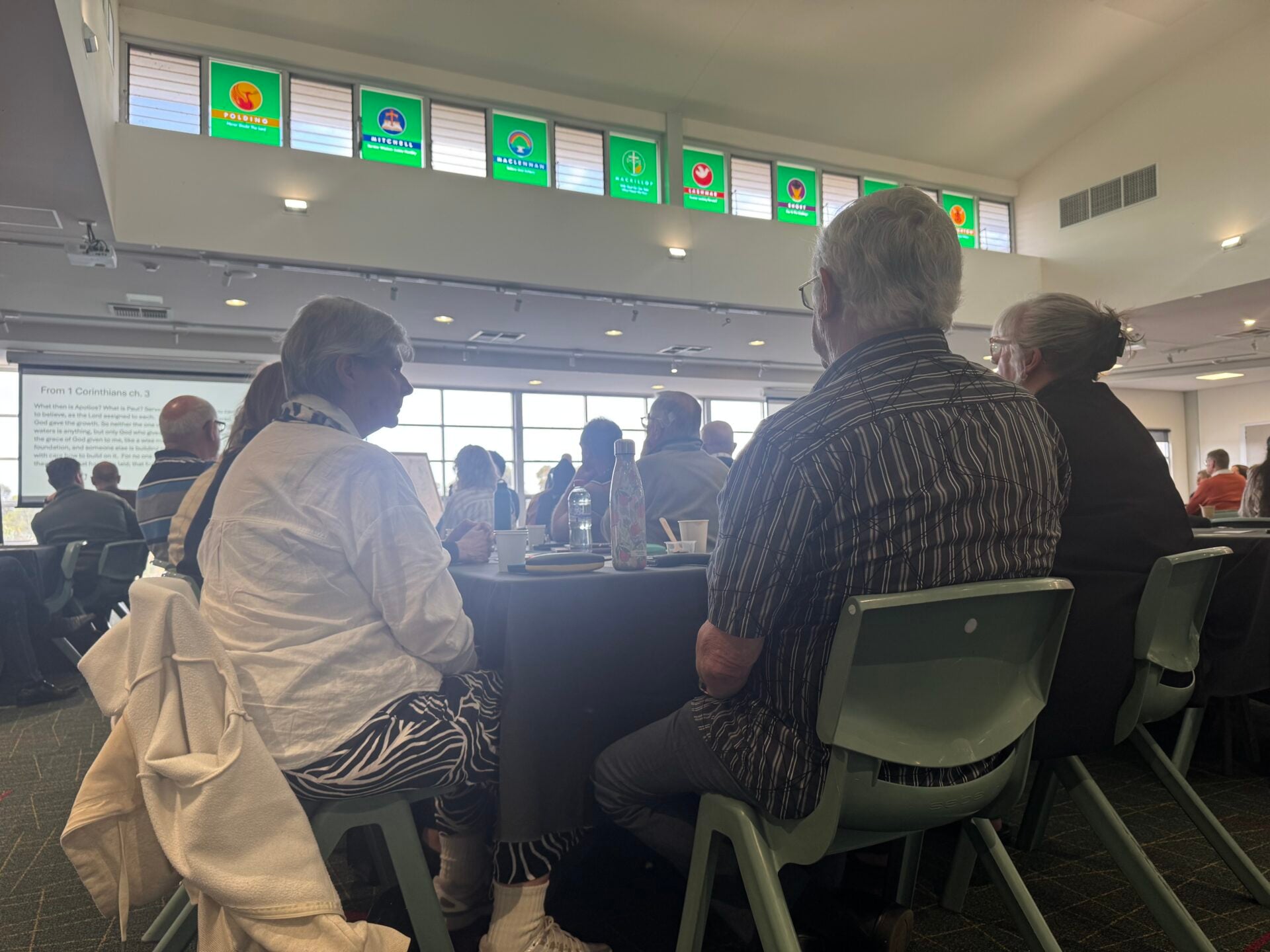
Saturday 7 November 2026 was a lovely, sunny Adelaide day, with blue skies overhead. More than 100 clergy and laypeople from across the Province of South Australia chose to spend the day at St Columba College in Andrews Farm, in the northern suburbs of Adelaide, to hear about church planting and regeneration, learn from one another, and share a time of fellowship and prayer.
The view from inside the chapel at the College was beautiful, looking out over a lake, and there was much anticipation and energy within the room as we gathered around tables.
Archdeacon Bree Mills, who heads up the church planting team in the Diocese of Melbourne, shared research into the life cycle of churches, which showed that stability – staying still and maintaining what we have – leads inevitably to decline.
We were gently challenged to consider where our parish might be on the life cycle, and what we need to do next to ensure we are not standing still, but looking for opportunities to actively share the gospel with others.
Whilst we often think about ‘church planting’ as establishing a whole new congregation or ministry, Bree opened up the possibility of ‘simple church’ and of new congregations or ministries, among other models, and encouraged us to think about church planting as both supporting and nurturing what we have, and reaching out and trying something new.
The next presenters were the longstanding leader of the Trinity Network, Paul Harrington, and Stephen George, who has led Trinity’s Modbury church for several years, a church plant itself that has in turn planted several new church’s in Adelaide.
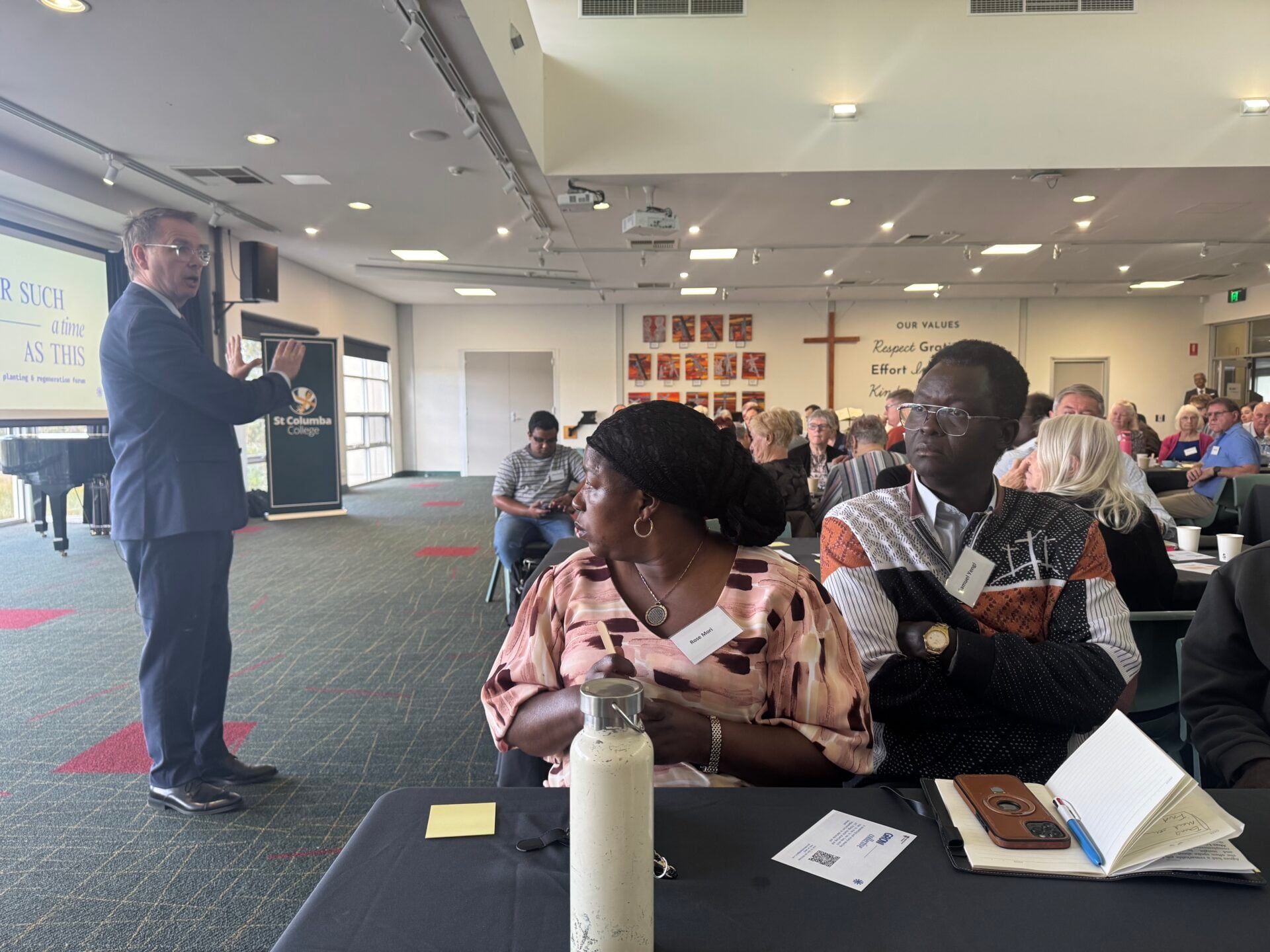
Paul and Stephen spoke warmly and honestly about how Trinity Network has sought to make the gospel known beyond the limits of its North Adelaide home church, and across South Australia, giving us valuable insights into what has worked, and what some of the challenges have been, over the years as they planned for, and planted, new church’s in different contexts and communities.
Whilst not many parishes would have the resources to achieve for the gospel what Trinity have, all can share in the simple, but profound, motivation that has been at the heart of what has become the Trinity Network – a desire to make what we know to be the good news about Jesus known to others.
In the afternoon session, after a time of fellowship in the sunshine over a provided lunch, we heard two examples from our own context.
Margaret Peel-Shakespeare described the outreach and discipleship ministry of the Cathedral, and its emerging relationship as a resource church with the nearby parish of St Cyprian North Adelaide.
Sue Nirta, a member of the parish of St Cuthbert’s Prospect, and Jack Hamer, currently on the ministry team at Barney’s Croydon, were then interviewed by Flourishing Communities Facilitator Helen Phillips on the positive relationship forming between the existing members of the parish of Prospect and the team led by Jack who will be planting a new evening congregation at St Cuthbert’s early next year, with a view to reaching the many university students and young adults in the area.
Bree Mills, in her second address, spoke about regeneration at local level, giving churches and ministries of all sizes, from the very small to the mid-sized and beyond, practical insights into how we can all pray for, and expect, growth.
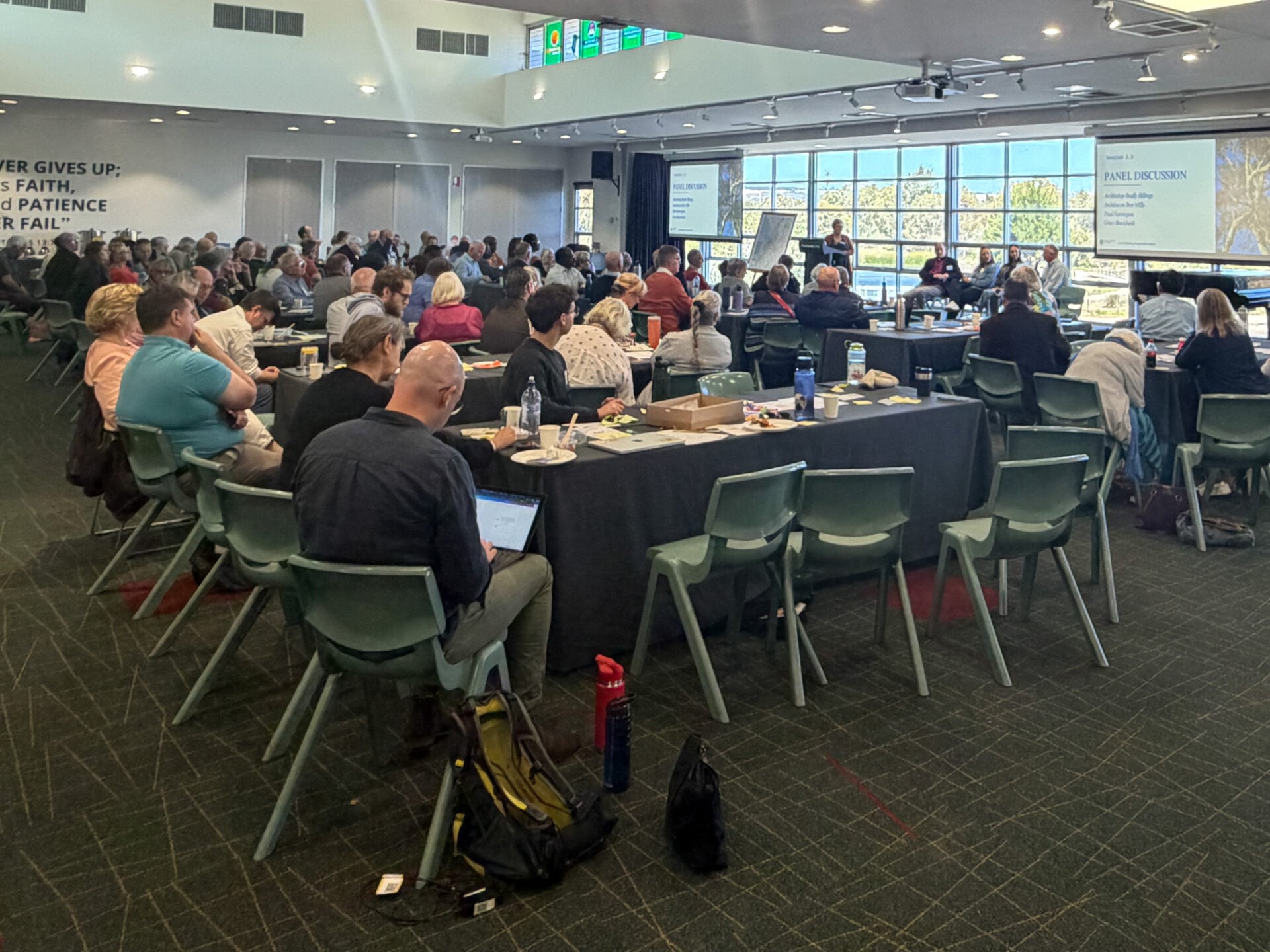
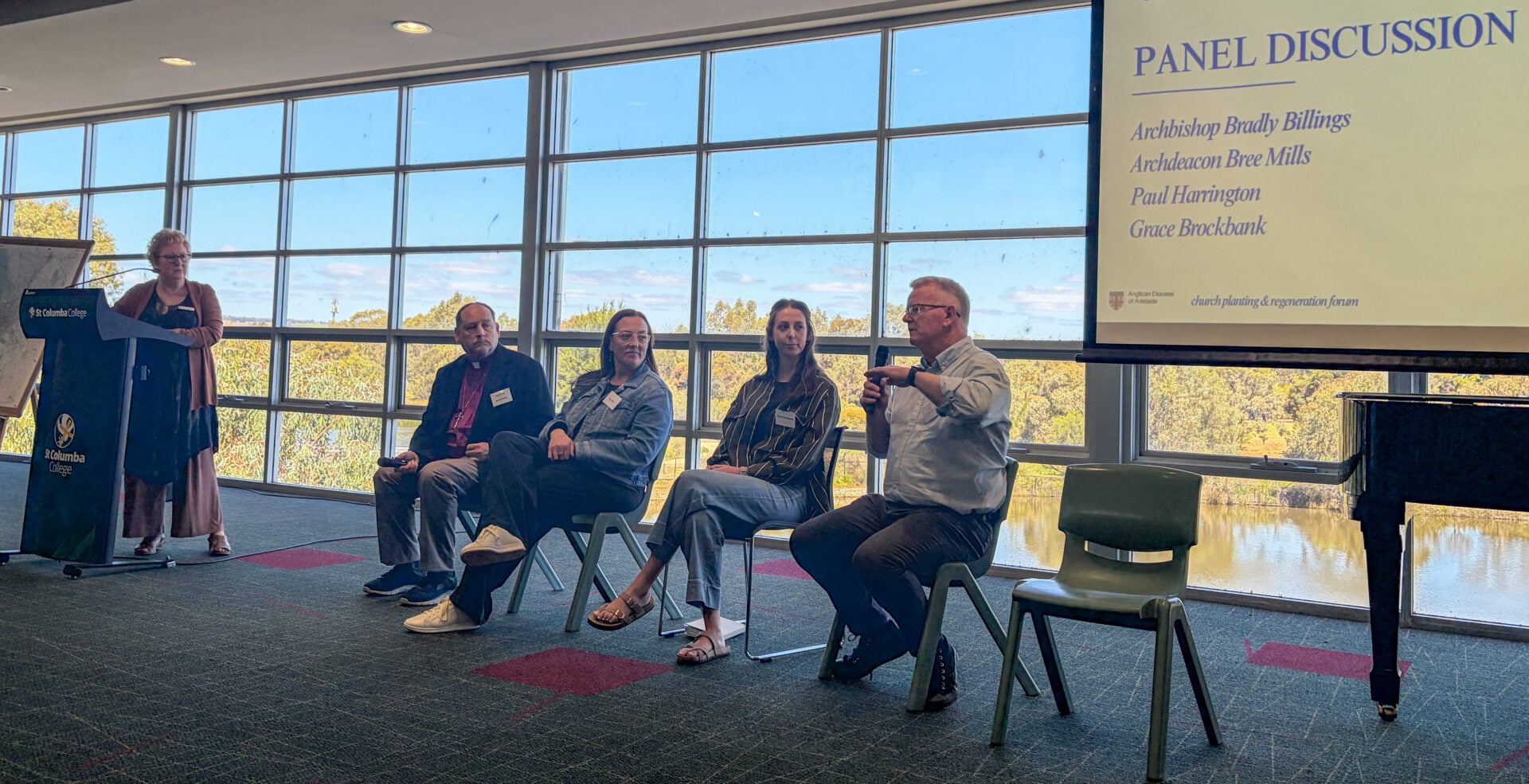
A key message in this session was to focus on one ministry or one activity, where we can hope to have an impact, and to do it well, rather than to try and do too much! The day ended with a panel discussion (pictured below) with Bree Mills, Paul Harringotn, me (Archbishop), and emerging church planter Grace Brockbank who had helped organise the day, responding to a range of questions submitted by participants.
Those present were urged by Archdeacon Bree to decline to look inwards at each other, focussing on our differences as Anglican Christians, but to look outwards to the mission-field, as disciples all engaged in the great commission of Jesus.
At the end of a long day, there was a very real sense of anticipation for what will come next in the new season that is opening before us, as a refreshed vision with strategic priorities to guide us takes shape.
Much of what was shared around church regeneration and growth leads naturally into the ‘Leading your Church into Growth’ (LYCIG) conference to be held in Adelaide in early February 2027. LYCIG was referred to on a number of occasions in the context of church regeneration, and its insights informed much of Bree’s second session on regeneration. LYCIG will be the next, important step along the road ahead for us as Adelaide Anglicans, as we rely on the promise of Holy Scripture that God will grow God’s church (1 Corinthians 3.7), and step confidently into the new season unfolding before us on the road ahead.
The booking link for LYCIG is now open. LYCIG works best when a small team of clergy and laypeople from parishes and other ministry contexts attend together.