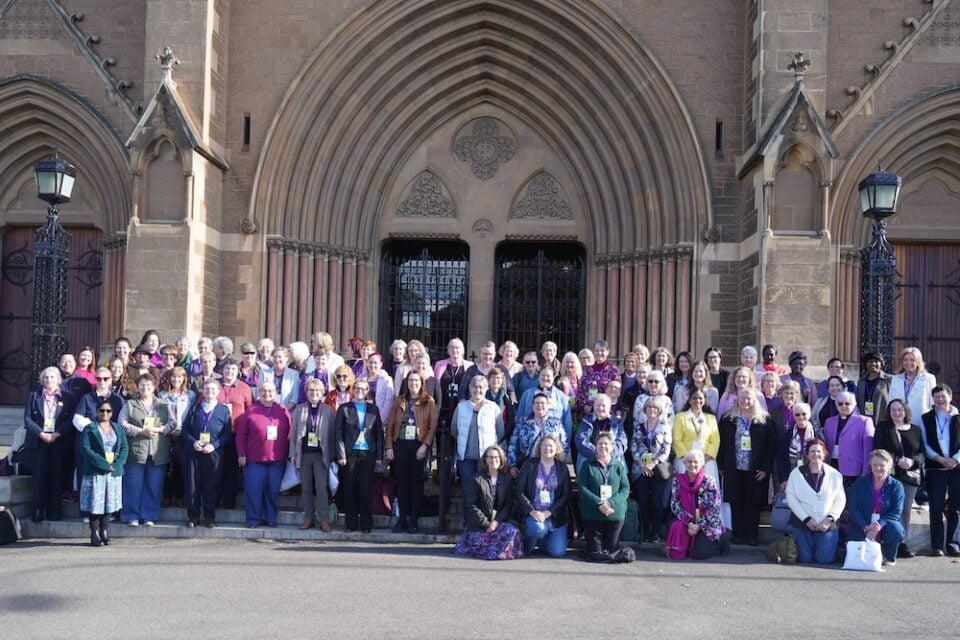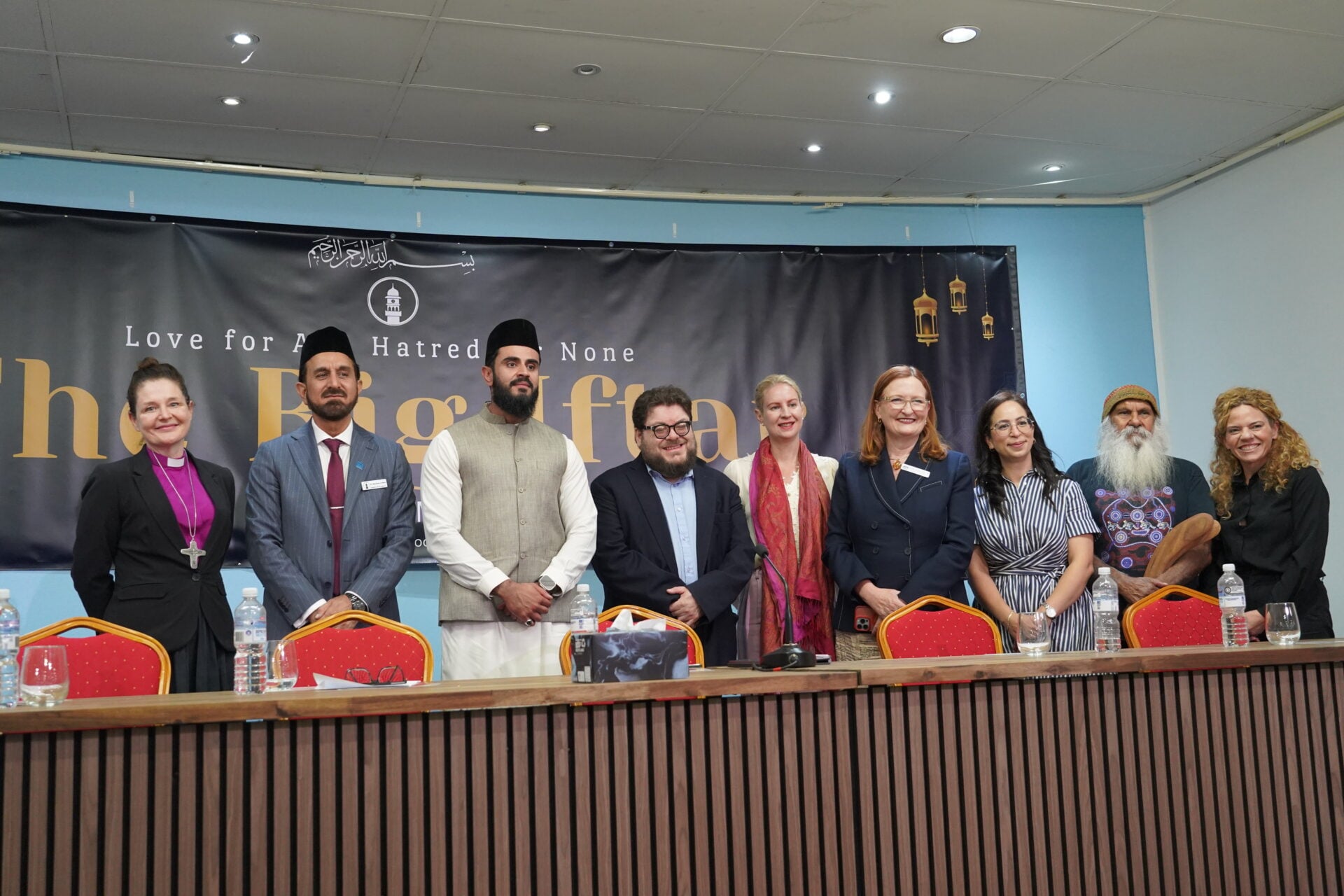
Adelaide faith leaders joined local and federal politicians at an event to mark the end of a day’s fasting during Ramadan, sending a powerful message of solidarity during a difficult time for multicultural communities across the country.
The Ahmadiyya Muslim Community’s Mahmood Mosque in Beverley hosted The Big Iftar as a “special evening of unity and reflection”. Bishop Sophie, Rabbi Frankie and Imam Karman were keynote speakers.
The Spiritual Commonality of Fasting
They emphasised the deep similarities across Abrahamic faiths, particularly regarding the spiritual and moral weight of fasting.
Imam Kamran Tahir of the Mahmood Mosque expressed how seeing a Jewish rabbi, a Christian faith leader, and an Imam sitting together “truly reignites my faith in humanity”. Addressing the true purpose of fasting, Imam Tahir noted it is not merely about staying thirsty and hungry but rather abstaining from physical needs to “purely focus on your spirituality”. Fasting, he explained, gives individuals time to assess their moral shortcomings and acts as a shield against inappropriate behaviour.
Echoing this sentiment, Rabbi Franklyn Salzman of Beit Shalom Synagogue described fasting in Judaism as “a deliberate pause that interrupts daily habits and creates space for reflection, accountability, and repair”.
Rabbi Salzman emphasised that fasting without addressing social inequity misses the point entirely. Citing the prophet Isaiah, he noted that the fast God seeks is one that “loosens the bonds of injustice, releases those who are oppressed shares bread with the hungry, shelters, the vulnerable”.
“The measure of a fast is not endurance,” Rabbi Salzman said. “If fasting moves us toward justice and reconciliation, then it has achieved its purpose.”
Bishop Sophie Relf-Christopher, representing the Adelaide Anglican Diocese, recognised that fasting has become less common in the Anglican tradition due to a rush to make the faith “more palatable”. But, she said, it remains a vital “radical act of dependence on God”. She thanked the Muslim community for their faithful demonstration of Ramadan year in and year out, saying: “The truth is it is not a feast unless you have fasted.”
Standing together against hostility
The spiritual reflections were set against a backdrop of increasing social and political tension in Australia. Several political speakers addressed the rising tide of racism and Islamophobia, urging attendees to stand united.
Greens Senator Barbara Pocock acknowledged the difficult start to the year, noting that racism is on the rise and that many Muslim communities are “feeling the most scared they probably have felt in their lives”. She reaffirmed her commitment to calling out injustice and advocating for the safety and freedom of diverse communities.
Senator Kerrynne Liddle, an Arrernte woman from Central Australia, drew historical parallels to the current climate.
She reminded the audience that multiculturalism in Australia predates 1788 and that Afghan Muslims were instrumental in developing the country’s centre by opening the way for the Overland Telegraph Line and the establishment of the pastoral industry.
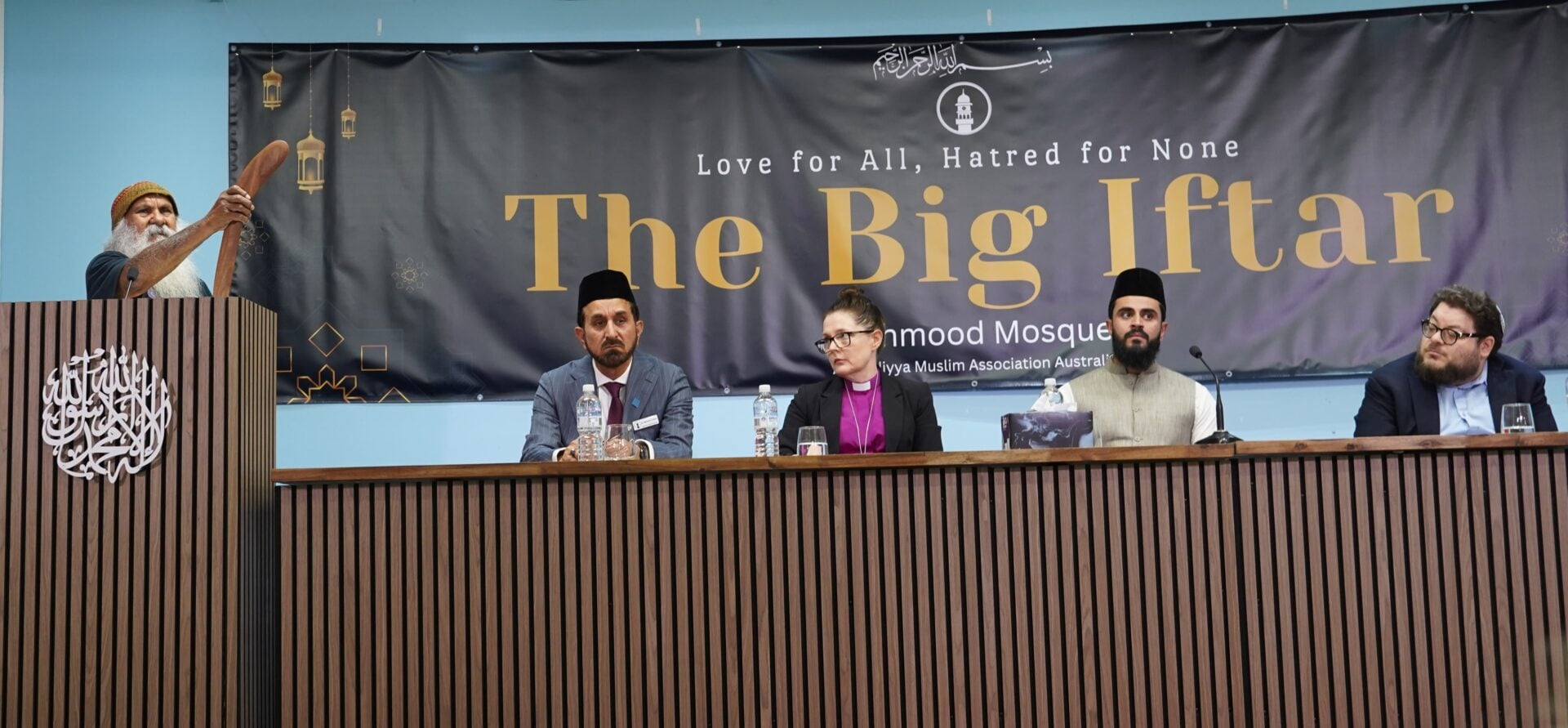
Condemning racism and discrimination, Senator Liddle delivered a call for collective action: “I expect people to stand beside me, behind me, and in front of me in sufficient measure at all the right times. It’s not for me to be taking on the fight all the time.”
Federal Member for Adelaide Steve Georganas echoed the call to focus on what binds the community together, noting that the values of peace, love, and forgiveness are common across all religions. He warned against the small minority who use division as a political football and urged leaders to call out injustices when they see them.
The event concluded with a strong reaffirmation of the Mahmood Mosque’s guiding principle: “Love for all, hatred for none”. As Munawar Rana, speaking on behalf of the Ahmadiyya Muslim Community, told the diverse crowd: “You are not visitors here. You are our own family.”
Making room for compassion
Bishop Relf-Christopher, speaking after the event, said she was particularly struck by the speech by First Nations senator the Hon. Kerryn Liddle, who spoke of her expectation when entering parliament that people would ensure she was well supported in a role that could expose her.
“Likewise, it is our duty as Christians to support anyone who may be attacked because of their race or religion, just as we did after the appalling anti-Semitic Bondi terror attack of 14 December. We will not tolerate hatred,” the Bishop said.
“I have often said from the pulpit that it is critically important for Christians to be as zealous for a peaceful life and human dignity for Muslims, Jews and all others, as we are for ourselves.”
She lamented the current political climate in which extremist, racist, and Islamophobic voices are amplified as if they were the majority beliefs.
“The pitiless way the brides and children of Islamic State (IS) fighters have been described in the press this week is disturbing. This is an era when we are learning more about coercive control, and its role in domestic violence. We cannot deny that it is likely that some of the women, and certainly all the children of IS fighters, were unable to provide resistance to the will of the IS hierarchy or their patriarchs.
“There is no doubt that IS is an evil organisation, and similarly, there is no doubt these women and children would come home damaged and in need of significant rehabilitation, but at the very least, these Australian children are also the victims of IS.”